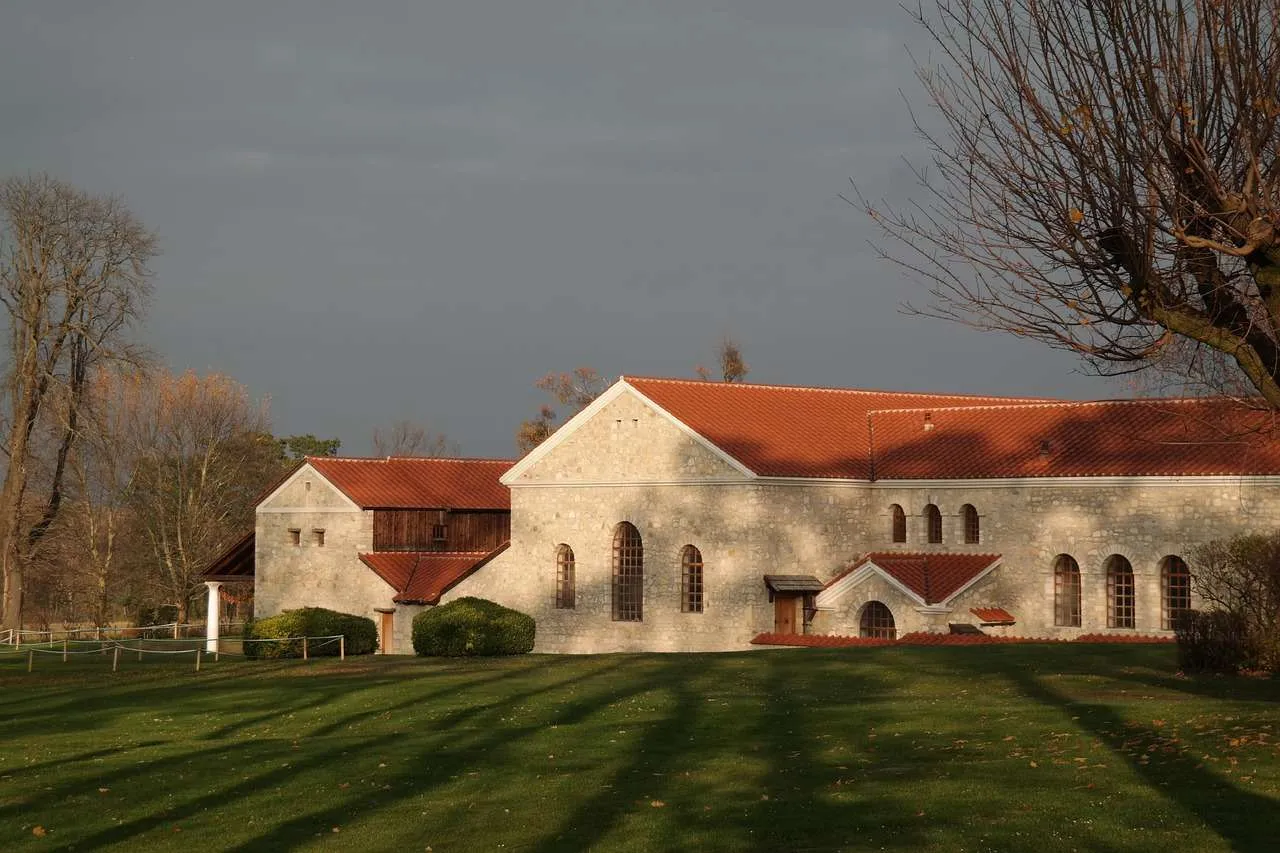
Understanding the repair of roofing
Roof integrity protects a home; timely repair of roofing problems saves money and prevents water intrusion. This guide explains signs, methods, costs, and how to choose a qualified professional to uphold EEAT standards for safety and durability.
Recognizing signs that your roof needs repair
Leaks after rain, stained ceilings, or attic damp show roof issues. Other telltale signs include curling or missing shingles, worn flashing around chimneys or vents, granule loss in gutters, and noticeable sagging in roof decks. Early repair of roofing problems reduces interior damage and extends roof life.
Visible leaks and water intrusion
Even a small drip can indicate a compromised roof. Investigate attic insulation for moisture, check for dark spots on ceilings, and address leaks promptly to limit mold growth and structural damage.
Damaged shingles and flashing
Curling, buckling, or missing shingles expose underlayment to wind and rain. Damaged flashing around chimneys, skylights, and vent pipes is a frequent entry point for water and should be repaired swiftly.
Repair options and processes
Repair of roofing can range from surface sealing to targeted shingle or flashing replacement. The appropriate method depends on roof type, age, extent of damage, and long-term goals for energy efficiency and weatherproofing.
Small repairs: patches and sealants
For minor leaks or localized damage, quick patches or sealants can provide temporary relief. However, sealants are usually not long-term fixes and must be paired with permanent repairs by a qualified roofer.
Shingle replacement and flashing fixes
Replacing damaged shingles and repairing flashing are common durable solutions. A roofer will remove defective shingles, install new ones, reseal joints, and ensure proper alignment to prevent future leaks.
When is a full replacement warranted?
If the roof is near the end of its lifespan, has widespread damage or extensive water intrusion, or if the underlayment shows deterioration, a full replacement may be more cost-effective and protective in the long term.
DIY vs professional repair of roofing
While some basic maintenance is feasible for skilled homeowners, repair of roofing is a high-risk task that benefits from professional expertise and safety protocols. Roofing requires fall protection, proper ladder use, and knowledge of local codes and flashing details.
Safety considerations
Do not walk on a wet or icy roof. Use fall arrest gear when required. Always turn off electrical utilities in the attic near repair sites and avoid working during storms.
When to hire a licensed roofer
Hiring a licensed, insured contractor reduces liability risks, ensures warranty coverage, and improves the chance of a durable repair of roofing. Check references, verify licenses, and obtain written estimates with itemized scopes.
Costs, planning, and selecting a contractor
Repair costs depend on extent, materials, and labor. A simple patch may cost a few hundred dollars, while extensive repairs escalate quickly. Plan for weather windows and secure permits if required by your locality.
Typical cost ranges
| Repair Option | When it’s appropriate | Pros | Cons | Typical Cost Range* |
|---|---|---|---|---|
| Patch or sealant | Minor leaks, temporary fix | Quick relief, low upfront cost | Not a permanent solution | $150–$400 |
| Shingle replacement | Localized damage | Durable, aligns with roof aesthetics | Labor-intensive | $300–$700 per square |
| Flashing repair | Leaking around vents/flashing | Stops leaks at entry points | Requires precise workmanship | $300–$900 |
| Full roof replacement | Widespread damage or old roof | Long-term protection, upgrades possible | Highest upfront cost | $5,000–$12,000+ |
*Costs depend on region, roof size, and materials. Get multiple written estimates for accuracy.
Maintaining a durable roof
Preventive maintenance helps reduce repair frequency. Clean debris, inspect after storms, trim overhanging branches, ensure attic ventilation, and schedule biannual roof inspections by a qualified professional. Quality materials and proper installation contribute to a longer life for your repair of roofing and overall home resilience.
Conclusion and best practices
Conclusion, addressing roofing issues promptly with a clear plan, professional input, and good maintenance yields the best outcomes. For most homeowners, a licensed roofer offers safer, more durable repair of roofing than DIY approaches. Prioritize warranties, manufacturer guidance, and documented estimates to protect your investment.
Summary: This article covers signs of damage, repair options from patches to full replacement, cost factors, safety considerations, and how to choose a qualified contractor for reliable repair of roofing. Regular inspections and proactive maintenance help extend roof life and safeguard your home.